
The sticker price of a Windows server is the smallest part of the bill. The license is where the real money goes, and it is structured so the number keeps climbing as your business grows: once by the core, again for every person who uses the server, and a third time if those people connect over Remote Desktop. CloudSpinx runs managed Windows Server hosting for businesses in Kenya, so we quote this every week. Here is what Windows Server licensing actually costs in Kenya and how it is billed, against Microsoft's published Windows Server 2025 licensing terms.
Get the model straight first, because most surprises come from not knowing there are three separate meters running.
Windows Server is licensed by the core
Microsoft licenses Windows Server on physical cores, not per server and not per CPU. You license every core in the machine, with a floor of 8 cores per processor and 16 cores per server, sold in packs of 2 and 16. A modest 16-core box is the baseline whether you use all of it or not. The two editions that matter are Standard, which covers up to two virtual machines on the host, and Datacenter, which lifts the VM cap and adds features like Storage Spaces Direct. For a single business app, Standard is almost always the right call, and paying for Datacenter is a common way to overspend.
CALs: the cost that grows with headcount
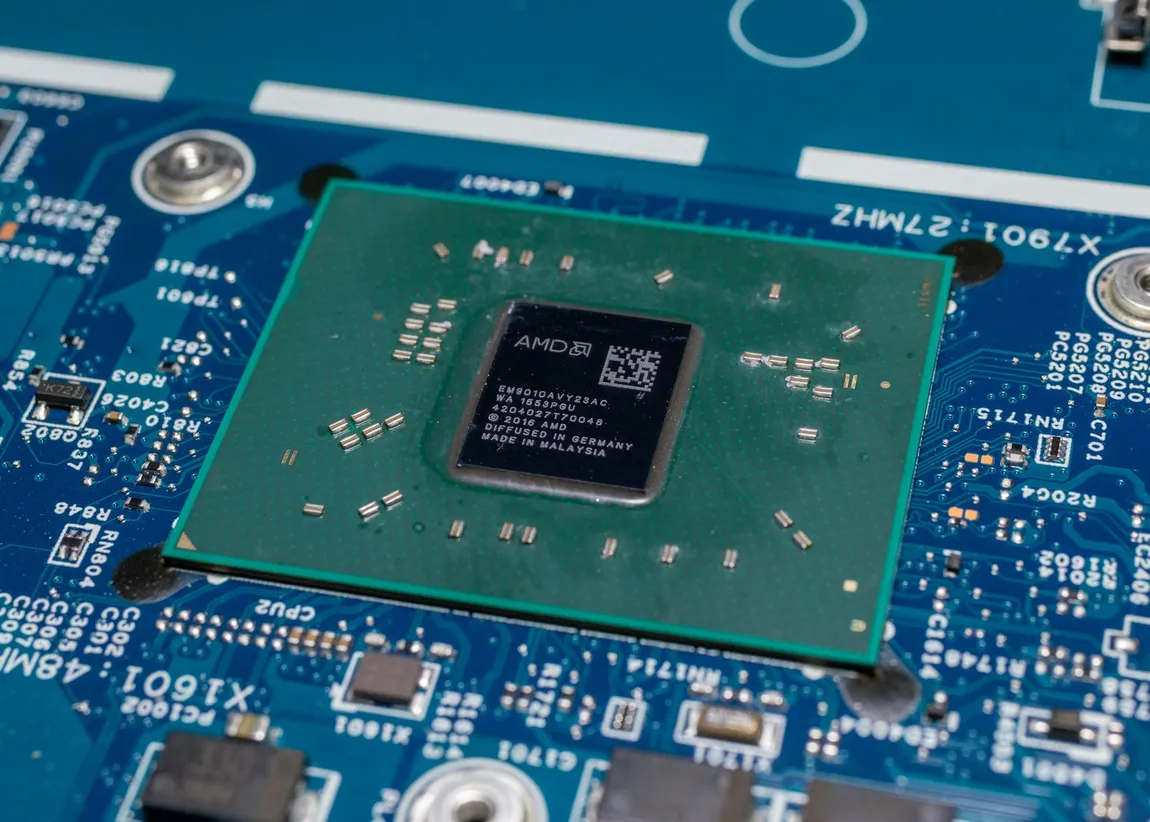
Core licenses let the server run. They do not let anyone use it. For that, every user or device that touches the server needs a Client Access License, and this is the cost that grows with your people rather than your hardware.
If your staff reach the server over Remote Desktop, which is how most hosted line-of-business and accounting setups work, each of them also needs an RDS Client Access License on top of the standard one. That is the meter people forget, and it is the one that turns a "cheap" server into an expensive one for a 40-person office.
| Cost meter | What it covers | How it scales |
|---|---|---|
| Core licenses | The right to run Windows Server on the box | With cores (minimum 16 per server) |
| Windows Server CAL | Each user or device accessing the server | With headcount |
| RDS CAL | Remote Desktop / RemoteApp access, on top of the CAL | With remote users |
| Edition | Standard (2 VMs) vs Datacenter (unlimited + extra features) | With how many VMs you run |
Buy it once, or rent it monthly
You can buy the licenses outright, which is real capital spent upfront and tied to that hardware, or you rent them monthly. Managed hosts use the second route through Microsoft's Services Provider License Agreement, which bills per-use every month with no purchase and no Software Assurance to maintain.
That is how we fold every one of the meters above into a single monthly figure when we host and license the server for you, so the cost rises and falls with what you run instead of sitting on your books as a sunk cost.
The catch with the buy-once route in Kenya is that licenses are priced in dollars and tied to the box, so a hardware refresh in three years can mean buying a chunk of it again. Renting monthly sidesteps that, which is why most of our clients never buy a Windows license at all.
When the cheapest license is no license
The honest way to cut a Windows bill is to check whether you need Windows. A web app, a PostgreSQL or MySQL database, a mail server, caching, a reverse proxy: none of that needs a Windows license, and all of it runs on Linux with zero per-core and zero CAL cost. Windows earns its license when something genuinely depends on it: a .NET application the vendor only supports on Windows, Microsoft SQL Server, Active Directory, or an ERP with no Linux build. For everything else, the license is money you do not have to spend, and we will tell you when that is the case rather than sell you the dearer platform.
So the real cost of Windows Server is not a single number, it is a stack: the cores to run it, a CAL for every user, an RDS CAL for every remote user, and the edition you picked. Over three years the licensing often outweighs the hardware, which is exactly why it belongs inside a predictable monthly figure rather than a surprise invoice.
That pattern holds for servers generally, which we broke down in the East Africa cost comparison.
Send us the app and the number of people who use it through the quote form, or reach us on WhatsApp at +254 713 403 044, and we will come back with one figure that has the license already in it. The quote costs nothing.